
Bunded Tanks Explained — and Why They Don't Stop Theft
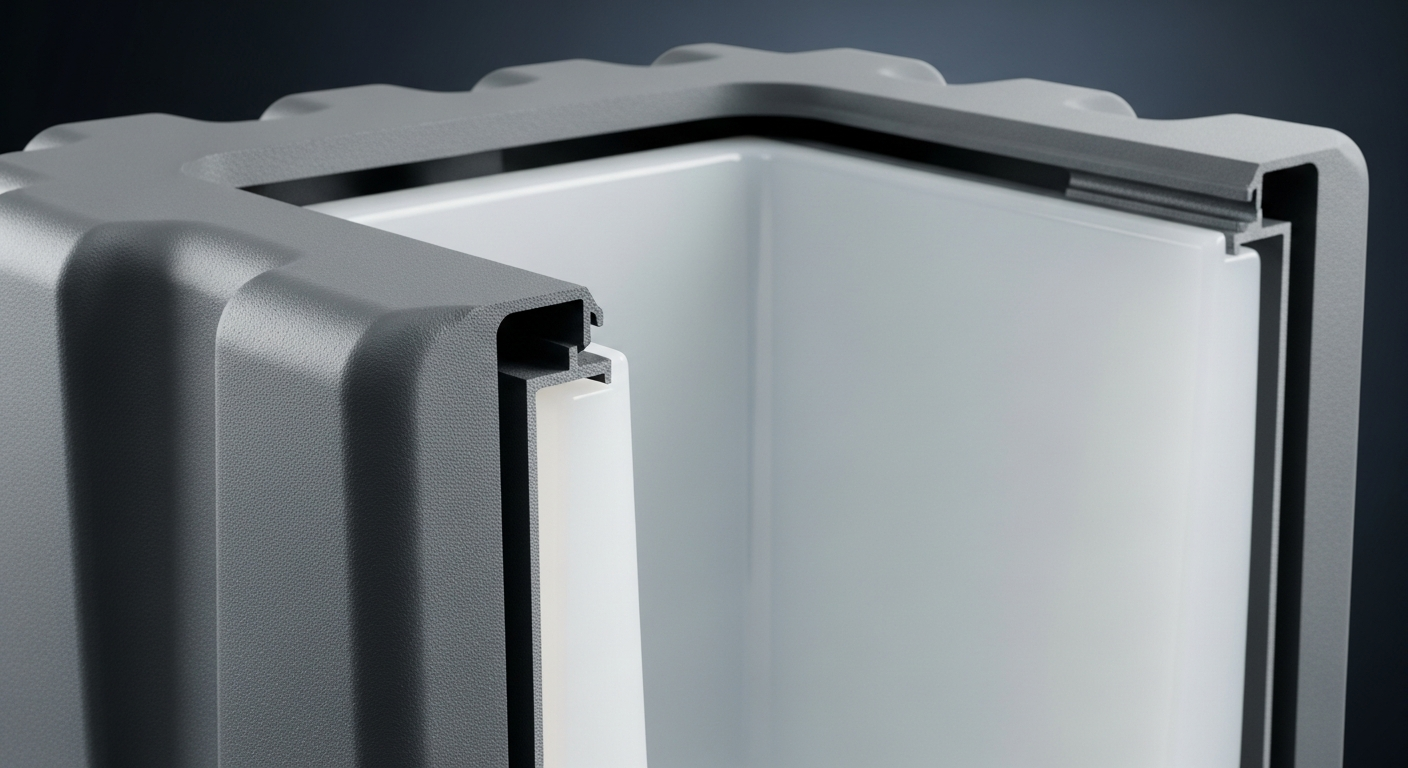
If your heating oil tank was installed in the last 15 years, there’s a good chance it’s a bunded tank. Bunded tanks are increasingly required by building regulations, particularly for tanks close to watercourses or in areas with a risk of oil entering drainage systems.
What a bunded tank does very well is prevent environmental contamination. What it does not do — despite a widespread assumption to the contrary — is prevent oil theft.
What is a bunded tank?
A bunded tank is a tank within a tank. The inner tank holds the oil. The outer shell (the “bund”) is a secondary containment layer — typically holding at least 110% of the inner tank capacity. If the inner tank develops a leak or crack, the oil is contained within the bund rather than entering the ground.
This is an environmental protection measure. It was introduced to reduce the risk of oil spills contaminating groundwater and watercourses — an expensive and serious problem in rural areas.
Bunded tanks are mandatory in many situations:
- Within 10 metres of a watercourse
- Near drains, soakaways, or areas of poor drainage
- Where a spill could enter the ground quickly
- In Scotland, Wales, and certain English local authority areas
Why bunded tanks don’t stop theft
The bund protects the outside world from oil getting out. It has no effect on thieves getting oil out via the normal outlet.
Every oil tank — bunded or single-skin — has an outlet at the base of the inner tank. This is how oil flows to your boiler, and it’s how a theft pump connects. The outlet on a bunded tank is accessible from the outside, through a port in the bund shell.
Thieves connect to the outlet exactly as they would on a single-skin tank. The bund doesn’t get in the way — it’s designed around the outlet connection.
The “I have a bunded tank, so I’m safe” mistake
We hear this regularly. A property owner has a bunded tank and assumes that because it’s a more substantial piece of kit — heavier, more expensive, two layers — it must offer more protection.
It does offer more protection: to the environment. Zero additional protection against theft.
If anything, the larger footprint of a bunded tank — which can hold 1,000 litres or more — makes it a more attractive target. More oil, same access point.
How to actually protect a bunded tank
The approach is identical to a single-skin tank:
- A dedicated tank alarm — a fuel level sensor that triggers instantly when oil begins to drop unexpectedly. This is the only measure that detects theft at the moment it’s happening.
- A physical outlet lock — a lock on the valve itself raises the effort required.
- Lighting — motion-activated lights remove the cover of darkness.
The Tank Alarm sensor fits to bunded tanks exactly as it fits to single-skin tanks. We install the fuel level sensor into the tank top, and the 110dB external siren sounds the moment an unexpected level drop is detected — whether that’s on a bunded or single-skin tank.
A note on tank insurance
Some home insurance policies distinguish between bunded and single-skin tanks for oil coverage purposes. If you have a bunded tank, it’s worth checking your policy wording — you may have different excess rates or theft coverage terms.
An installed alarm can also be evidence of reasonable precautions taken, which some insurers treat favourably when assessing theft claims.
If you have a bunded tank and want to know how Tank Alarm fits to your specific model, feel free to get in touch — we’ve installed on a wide range of bunded tanks and can confirm compatibility.
Want a Tank Alarm fitted?
Professional oil tank alarm installation across East Anglia. £499 fitted, 12-month warranty.
Book installation here →